COO
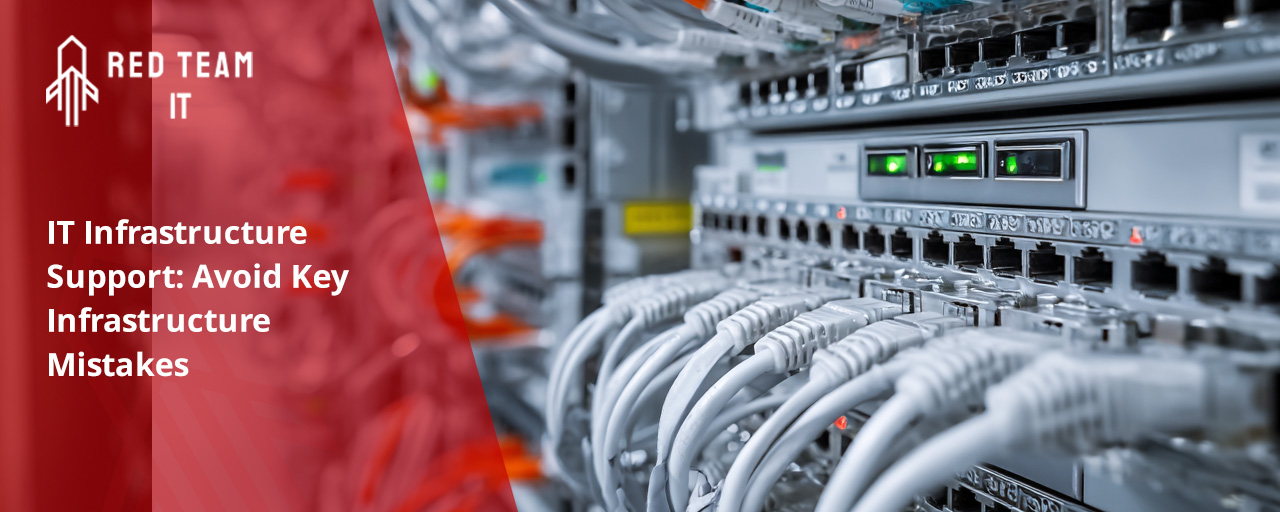
Modern IT infrastructure support is more than just fixing broken systems. It’s about keeping your business running smoothly, minimizing downtime, and helping your team stay productive. In this blog, you’ll learn what IT infrastructure support includes, common mistakes to avoid, and how to build a reliable system that meets your business needs. We’ll also cover key components, best practices, and how to optimize your setup for long-term success.
From network infrastructure to cloud service scalability, we’ll break down the essentials so you can make smarter decisions and avoid costly missteps. Whether you're managing on-premises systems or virtual machines, this guide will help you troubleshoot smarter and streamline your operations.
IT infrastructure support includes all the services and tools needed to keep your technology systems running. This covers everything from maintaining servers and networks to monitoring system performance and updating software. The goal is to make sure your IT environment supports your business operations without interruptions.
Support teams handle tasks like setting up network devices, managing firewalls, and ensuring data storage systems are secure. They also help with disaster recovery planning and intrusion detection. When done right, IT infrastructure support helps minimize downtime, improve productivity, and align your technology with your business goals.

Even well-meaning businesses can fall into traps that hurt their IT infrastructure. Here are some of the most common mistakes and how to avoid them.
Skipping updates for your operating system or software applications can leave your systems vulnerable. Updates often include security patches that protect against new threats. Make sure updates are scheduled and tested regularly.
Without proper monitoring, you won’t know when a problem starts until it affects your business. Use tools to monitor system performance and network traffic. This helps you catch issues early and respond quickly.
Old hardware components can slow down your systems and increase the risk of failure. Regularly assess your equipment and replace outdated devices before they cause problems.
If you don’t have a clear disaster recovery plan, you risk losing data and productivity during outages. Make sure your plan includes data backups, recovery timelines, and roles for each team member.
As your business grows, your infrastructure should grow with it. Failing to scale can lead to performance issues and security gaps. Plan for scalability from the start.
A weak firewall or lack of antivirus protection can open the door to intrusion. Invest in strong security tools and regularly review your policies to stay protected.
Without a defined support process, issues can fall through the cracks. Set up a ticketing system or help desk to track problems and ensure they’re resolved quickly.
A well-managed IT infrastructure brings several advantages:

Infrastructure support services are essential for businesses that rely on technology to operate. These services go beyond fixing problems—they help prevent them. With the right support, you can focus on your core business while experts handle the technical side.
Support services also include infrastructure management, which ensures that all systems—from servers to data centers—work together efficiently. This coordination helps you avoid bottlenecks, reduce costs, and improve overall performance.
To build a reliable support system, you need to understand what makes it work. Here are the key components that should be part of your strategy.
You need a team that understands your systems and can respond quickly to issues. Whether in-house or outsourced, they should be trained in current technologies and best practices.
Tools that monitor system health, network traffic, and server performance help you catch problems early. These tools should alert your team before issues affect users.
Firewalls, antivirus software, and intrusion detection systems are essential. They protect your data and systems from external threats.
A strong backup system ensures you can recover data quickly after a failure. Test your recovery process regularly to make sure it works when needed.
Your systems should be able to grow with your business. Cloud infrastructure can help you scale quickly without major hardware investments.
Clear documentation helps your team understand how systems are set up and what to do when something goes wrong. Policies ensure consistent responses to issues.

Start by assessing your current setup. Identify gaps in your hardware and software, and look for areas where downtime or performance issues occur. This will help you prioritize what needs attention first.
Next, choose infrastructure services that match your business goals. Whether it’s cloud-based solutions or on-premises systems, make sure they support your long-term plans. Regularly review and update your systems to keep them current and secure.
Managing IT infrastructure takes planning and consistency. Here are some best practices to follow:
Following these steps helps you stay ahead of issues and maintain a reliable IT environment.

Are you a business with 50 or more users looking for reliable IT infrastructure support? If your team depends on technology to keep things moving, we can help you avoid costly downtime and streamline your operations.
At Red Team IT, we specialize in helping growing businesses build and maintain effective infrastructure. Our team provides proactive support, scalable IT infrastructure solutions, and expert guidance tailored to your needs. Contact us today to see how we can support your systems.
The most important components of IT infrastructure include servers, network devices, and data storage systems. These form the foundation of your technology environment. Without reliable infrastructure components, your business operations can suffer from frequent downtime and reduced productivity.
You also need strong network infrastructure and tools to monitor system performance. These help you troubleshoot issues before they become major problems. A well-designed infrastructure supports scalability and long-term growth.
Support services help by proactively identifying and resolving issues. They also ensure that your operating system and software applications are up to date. This reduces the risk of system failures and keeps your business running smoothly.
By using infrastructure support services, you can minimize downtime and improve productivity. These services also help you streamline your processes and align your technology with business needs.
Infrastructure management ensures that all your systems work together efficiently. It helps you avoid bottlenecks, reduce costs, and improve overall performance. For small businesses, this means fewer disruptions and better use of resources.
It also supports proactive planning, allowing you to scale your technology infrastructure as your business grows. With proper management, you can optimize your systems and stay competitive.
Cloud infrastructure allows you to scale your systems without large hardware investments. It also supports remote access, which is essential for flexible work environments. Many IT infrastructure solutions now include cloud-based tools for better performance.
Cloud service providers also offer built-in security features like intrusion detection and data backups. This helps you protect your systems and minimize downtime.
Start by reviewing your current setup and identifying areas that slow down performance. Replace outdated hardware and use automation to handle routine tasks. This helps you streamline operations and reduce manual errors.
You should also monitor system performance regularly and use tools that alert you to issues. Optimizing your infrastructure helps you meet business needs more effectively and supports long-term growth.
Primary components are the essential building blocks of your IT infrastructure, like servers, data centers, and network devices. Without them, your systems can’t function. These are the first things to consider when setting up your environment.
Key components include additional tools and services that enhance performance, such as antivirus software, firewalls, and virtual machines. Together, both types of components help you build an effective infrastructure that meets your goals.
%2520(1).png)
.svg)