COO
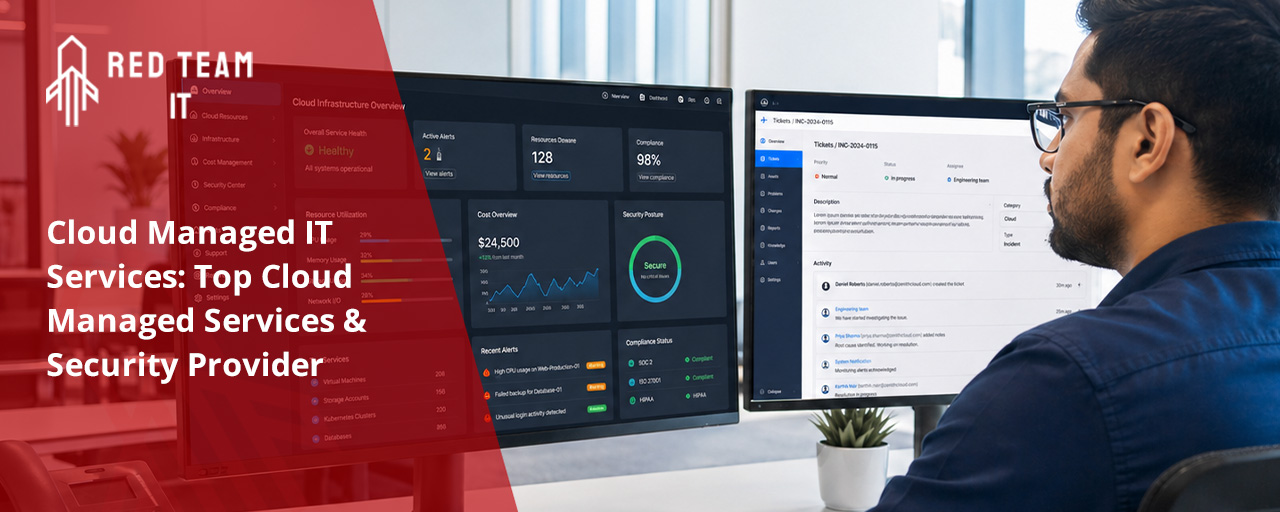
Businesses today rely on technology for almost everything, from storing files to running daily operations. Cloud managed IT services make it easier to handle these tasks, especially if you want to simplify your cloud management or move away from on-premises systems. In this blog, you'll learn what cloud managed IT services are, how they work, and why they matter for your business. We'll also cover best practices, common mistakes, and tips for choosing the right service provider. You’ll discover how hybrid cloud and public cloud options can help you stay compliant and optimize your cloud environment for agility and growth.
Cloud managed IT services are a way for businesses to outsource the management of their cloud resources to a team of experts. Instead of hiring and training your own IT staff, you can use a managed service provider to handle everything from security to updates. This approach helps you save time, reduce costs, and avoid common IT headaches.
A good cloud managed service provider will monitor your systems 24/7, handle backups, and make sure your data is safe. They also help you stay up to date with the latest technology and compliance requirements. This means you can focus on running your business while experts take care of your cloud environment.

It’s easy to run into problems if you don’t know what to watch out for. Here are some of the most common mistakes businesses make with cloud managed IT services and how to avoid them.
Picking a provider based only on price or reputation can lead to trouble. You need a partner who understands your business needs and offers the right support. Look for a provider with experience in your industry and a proven track record.
Security should never be an afterthought. Many businesses forget to ask about managed cloud security services, leaving their data exposed. Make sure your provider offers strong security, regular updates, and clear policies for handling threats.
Failing to meet compliance rules can result in fines or lost business. Always check that your provider understands the regulations that apply to your industry. They should help you stay compliant with local and national laws.
Some businesses jump into the cloud without thinking about how it will work with their existing systems. If you use both cloud and on-premises solutions, make sure your provider can support a hybrid cloud setup.
Cloud systems need regular care. Don’t assume you can set it and forget it. Your provider should offer ongoing monitoring, updates, and support to keep everything running smoothly.
Wasting resources can drive up costs. Work with your provider to optimize your cloud setup, so you only pay for what you need and use.
Your business will grow and change. Make sure your provider can help you scale up or down as needed, so your cloud environment always fits your needs.
Cloud managed IT services offer several important benefits for businesses:

A cloud service provider does more than just supply technology. They help you build a cloud strategy that matches your business goals. This means looking at your current systems, understanding your needs, and recommending the best mix of services.
Working with a managed service provider can also help you move to the right cloud setup, whether that’s public, private, or hybrid. They guide you through the deployment process, making sure your data stays safe and your systems run smoothly. With their help, you can accelerate your digital transformation and simplify your IT operations.
A successful cloud strategy requires planning and the right support. Here are key steps to build a strong foundation for your business.
Start by looking at what you have now. Identify which systems are in the cloud, which are on-premises, and where you might have gaps or risks.
Decide what you want to achieve with cloud managed IT services. Do you need better security, more flexibility, or lower costs? Clear goals help guide your decisions.
Pick the cloud setup that fits your needs—public cloud, private cloud, or hybrid cloud. Each has its pros and cons, so discuss options with your provider.
Work with your provider to put strong security and compliance measures in place. This includes managed cloud security services, regular audits, and clear policies.
Review your cloud resource usage regularly. Make adjustments to optimize performance and avoid paying for unused services.
Make sure your staff knows how to use new systems and follow best practices. Training helps prevent mistakes and keeps your business running smoothly.
Keep an eye on your cloud operations. Be ready to make changes as your business grows or as new technology becomes available.

Getting started with cloud managed IT services doesn’t have to be hard. First, outline your business needs and what you want from your cloud provider. This could include better security, easier compliance, or more reliable systems. Next, research providers who have experience with businesses like yours and ask for references.
Once you choose a provider, work together to create a deployment plan. This should cover how your data will move to the cloud, how you’ll handle backups, and what support you’ll get. Make sure to review your plan regularly and adjust as your needs change. Outsourcing your IT management lets you focus on growing your business while experts handle the technical details.
To get the most from your cloud managed IT services, follow these best practices:
Following these steps will help you avoid common pitfalls and make sure your cloud environment supports your business goals.

Are you a business with 5-150 employees, especially if you have over 50 users and need reliable systems to support your growth? If you’re looking for a way to simplify your IT management, improve security, and keep your business running smoothly, we can help. Our team specializes in supporting growing businesses that want to get more from their technology without the hassle.
We understand the challenges of managing cloud operations and staying compliant. Red Team IT offers tailored solutions that fit your needs, from managed cloud security services to ongoing support and optimization. Contact us today to see how we can help you accelerate your business with cloud managed IT services.
Cloud managed services are when a third-party team handles your cloud systems for you. This means they take care of updates, backups, and security, so you don’t have to. With cloud management and hybrid cloud options, your business can run more smoothly and avoid downtime.
By using a managed service provider, you can focus on your work while experts handle the technical side. This can also help you optimize your cloud environment and save money in the long run.
A managed cloud service provider stays up to date with the latest rules and regulations that affect your industry. They help you meet compliance standards by monitoring your systems and keeping your data secure. Public cloud and compliance tools are often used to track changes and report issues quickly.
This support is important for businesses that handle sensitive data. It helps you avoid fines and keeps your customers’ trust.
A cloud service provider gives you access to cloud resources, like storage or software, while a managed service provider handles the day-to-day management of those resources. The managed provider takes care of things like security, updates, and troubleshooting. Cloud environment and cloud provider choices can affect how much support you need.
Choosing the right partner depends on your business needs. Some companies use both types to get the best results.
A strong cloud strategy helps you plan how to use cloud technology to reach your goals. Cloud operations are the daily tasks that keep your systems running. When you combine both, your business can respond faster to changes and new opportunities. Optimizing and agility are key benefits of this approach.
With the right plan, you can scale up or down as needed and deploy new tools quickly. This helps your business stay competitive.
Cloud managed IT services are great for businesses using both on-premises and cloud systems. They help you connect everything smoothly and keep your data safe. Deployment and best practices are important for making sure your hybrid setup works well.
With expert support, you can avoid common problems and make the most of your technology. This is especially useful for growing businesses.
Look for a provider with experience in your industry and a strong record of customer support. Ask about their approach to security and how they handle compliance. On-premises and outsource options may also be important if you have special needs.
A good provider will work with you to simplify your IT management and accelerate your business growth. Don’t be afraid to ask for references or case studies before making a decision.
%2520(1).png)
.svg)