COO
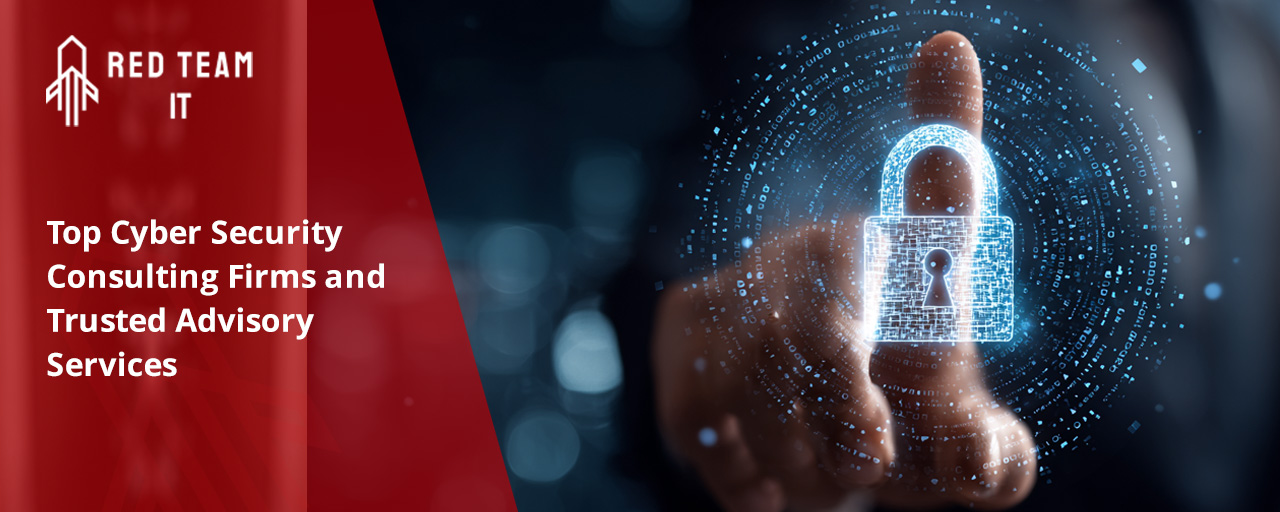
Cyber security consulting firms play a critical role in helping businesses protect their data, systems, and reputation. As threats grow more complex, companies need expert guidance to assess risks, improve defenses, and stay compliant. In this blog, you’ll learn what these firms do, how to choose the right one, and what mistakes to avoid. We’ll also cover key benefits, common challenges, and how to get started with a cyber security consultation.
[.c-button-wrap-1][.c-button-main-1][.c-button-icon-content]Contact Us[.c-button-icon-content][.c-button-main-1][.c-button-wrap-1]
Cyber security consulting firms help businesses identify and fix weaknesses in their IT systems. They provide expert advice, tools, and services to reduce the risk of cyberattacks. These firms often work with companies that don’t have in-house security teams or need extra support for specific projects.
Most firms offer a range of consulting services, including risk assessments, compliance audits, and incident response planning. Some specialize in certain industries or technologies, while others provide broader support. Whether you’re a small business or a growing enterprise, working with a consultant can help you make smarter, safer decisions.
Many firms operate globally and follow industry standards. Some, like EY and PwC, are also known for their audit and advisory work. Choosing the right consultancy depends on your specific needs, budget, and goals.

Hiring a cyber security consulting firm can be a smart move—but only if you avoid these common pitfalls. Here are some key mistakes to watch out for:
Before hiring a firm, you need to know what you want. Are you looking for a risk assessment, compliance help, or a full security overhaul? Without clear goals, it’s hard to measure success or choose the right partner.
Not all firms understand your business. If you’re in healthcare, finance, or manufacturing, make sure the consultant has experience in your field. Industry-specific threats and regulations matter.
Cheaper isn’t always better. A low-cost firm might lack the tools or expertise you need. Focus on value, not just price. Look for firms that offer clear deliverables and proven results.
Cybersecurity isn’t a one-time fix. You need ongoing support to adapt to new threats. Make sure the firm offers follow-up services, training, or monitoring if needed.
Always verify certifications, references, and past work. A good consulting firm should be transparent about their team’s skills and experience.
Your employees play a big role in security. If they’re not part of the process, changes won’t stick. A good consultant will work with your team—not just hand over a report.
Working with a cyber security consulting firm offers several advantages:

Cyber security consulting services help you build a stronger, more reliable defense. By assessing your current setup, consultants can find weak points and suggest improvements. This might include updating software, changing access controls, or training employees.
A strong cybersecurity posture means your systems are better prepared to prevent, detect, and respond to threats. Consultants can also help you create a roadmap for future improvements. This way, your business stays ahead of new risks and meets changing compliance rules.
The right consulting firm doesn’t just fix problems—they help you build a long-term strategy. This includes setting priorities, tracking progress, and adjusting as your business grows.
A trusted advisor does more than fix security issues. They help you build a smart, sustainable plan. Here’s what they focus on:
Security needs vary by industry, size, and structure. Advisors start by learning how your business works so they can tailor their recommendations.
They’ll look at your existing systems, policies, and tools. This helps them spot gaps and suggest practical improvements.
Whether it’s HIPAA, PCI-DSS, or another standard, compliance matters. Advisors help you meet these rules and avoid penalties.
Human error is a top cause of breaches. Advisors assess how well your team understands security and recommend training if needed.
If something goes wrong, you need a plan. Advisors test your response process to make sure it works under pressure.
Not all threats are equal. Advisors help you focus on the most serious risks first, so you get the best return on your efforts.
As your business grows, your security needs change. Advisors help you plan ahead so your defenses scale with you.

Once you’ve worked with a cyber security consulting firm, the next step is action. Start by reviewing their report and prioritizing the most urgent fixes. This might include patching software, updating firewalls, or changing user permissions.
Assign tasks to specific team members and set deadlines. If needed, ask the consultant to help with implementation or training. Keep track of progress and revisit the plan regularly. Security isn’t a one-time project—it’s an ongoing process.
Also, make sure leadership is involved. When executives support security efforts, it’s easier to get buy-in from the rest of the team. Regular updates and clear communication help keep everyone on the same page.
To get the most out of your cyber security consultation, follow these tips:
A strong partnership leads to better results.

Are you a business with 50 or more users looking for expert help? If you’re growing fast and need to protect your systems, data, and reputation, we’re here to help. Our team works with companies that want expert guidance without the overhead of a full-time security department.
At Red Team IT, we help businesses like yours improve their defenses, meet compliance requirements, and prepare for future threats. Whether you need a full audit or just a second opinion, we’re ready to be your trusted advisor. Contact Us today to schedule your cyber security consultation.
Look for a consultant with experience in your industry and a clear process. They should explain their methods, provide references, and offer tailored advice. A good consult also includes follow-up support and training.
Many services firms offer cybersecurity help, but not all are equal. Choose one that understands your business and can show real results.
Cybersecurity consulting gives small businesses access to expert advice without hiring full-time staff. Consultants help you find risks, fix problems, and stay compliant.
Whether you're working with a local consultancy or a global firm, the goal is the same: protect your systems and data. It’s a smart move for any growing company.
A consultant works on specific projects or problems, while a full-time hire handles daily tasks. Consultants bring outside perspective and deep expertise.
For many businesses, especially under 150 employees, a consulting firm is more cost-effective. You get high-level help without the long-term commitment.
Yes. IT support handles general tech issues, but security consulting focuses on protecting your systems from threats. It’s a different skill set.
A firm like EY or PwC might offer both IT and security services, but make sure the team you work with specializes in cybersecurity.
At least once a year—or after major changes like system upgrades or new hires. Regular check-ins help catch new risks early.
Some advisory firms offer ongoing support plans. This can be helpful if your business is growing or facing compliance audits.
Absolutely. Many firms specialize in preparing for audits and meeting industry standards. They’ll guide you through the process and help you fix any gaps.
Whether you're working globally or locally, compliance is key. A good consultant knows the rules and helps you stay on track.
%2520(1).png)
.svg)