COO
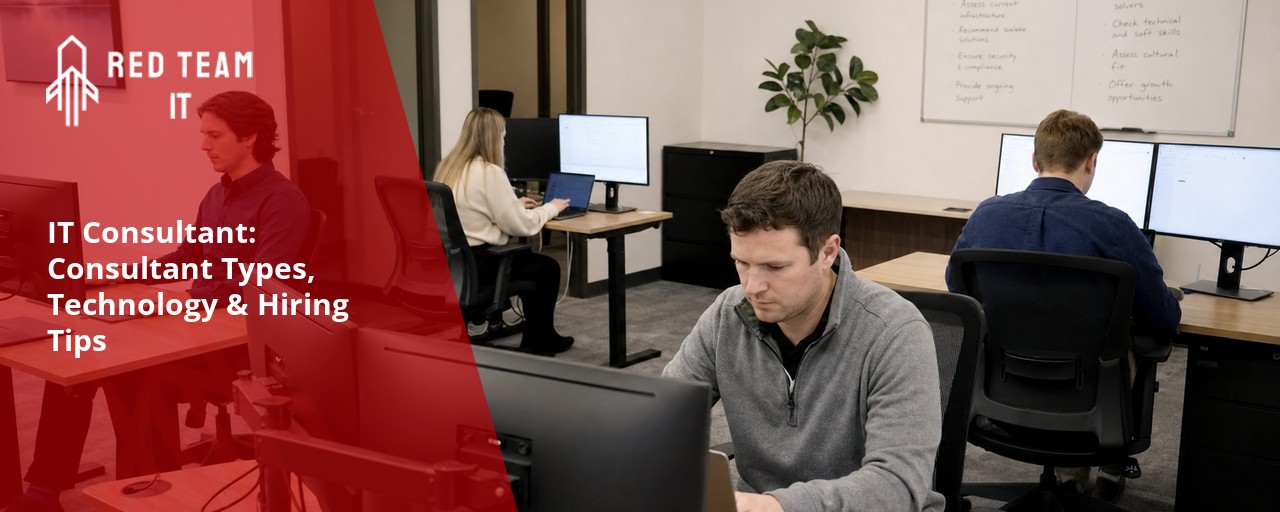
Businesses today rely on technology for almost everything, from daily operations to long-term growth. Choosing the right IT consultant can make or break your company’s ability to stay secure, efficient, and competitive. In this post, you’ll learn what an IT consultant does, the different types of consultants, what qualifications to look for, and how to avoid common mistakes when hiring. We’ll also cover practical steps for implementation and answer the most pressing questions about working with an IT consulting company. If you’re looking to consult on project management or need advice on how to implement new systems, this guide will help you make informed decisions.
An IT consultant is a professional who helps businesses use technology to solve problems and reach their goals. They can advise on everything from cybersecurity to cloud migrations, and often work with companies that don’t have a full in-house IT team. By bringing in an IT consultant, you get access to up-to-date knowledge and experience without the cost of hiring a full-time expert.
The main reason businesses hire an IT consultant is to get unbiased advice and practical solutions. Whether you’re planning a major upgrade or just want to make sure your systems are reliable, a good IT consultant can help you avoid costly mistakes and keep your business running smoothly.

Hiring the right IT consultant is critical. Here are some key mistakes to avoid so you get the best results for your business:
Some businesses skip checking an IT consultant’s credentials. Always ask about certifications, education, and past projects. This helps you confirm they have the right skills for your needs.
Experience matters. An IT consultant with a proven track record is more likely to understand your challenges and offer solutions that work in real-world situations.
There are many types of IT consultants, from cybersecurity experts to cloud specialists. Make sure you choose someone whose expertise matches your project.
If you don’t clearly outline your goals and expectations, you risk misunderstandings and delays. A good IT consultant will help you set clear objectives from the start.
Some businesses need ongoing support, not just a one-time project. Ask if the IT consulting company offers managed services (MSP) to cover your long-term needs.
Always ask for and check references. Talking to past clients can give you insight into how the consultant works and what results you can expect.
Working with an IT consultant offers several important advantages:

When it comes to IT consulting, qualifications and work experience are essential. Certifications like CompTIA, Microsoft, or Cisco show that a consultant has up-to-date technical knowledge. However, real-world experience is just as important. A consultant who has worked with businesses similar to yours will understand your unique challenges and can offer practical solutions.
It’s a good idea to ask about both formal qualifications and specific examples of past projects. This helps you judge whether the IT consultant can handle your needs, from implementing new software to advising on cybersecurity best practices. Don’t hesitate to ask for case studies or references to back up their claims.
If you’re interested in becoming an IT consultant or want to understand what makes a good one, here are the main steps:
Most IT consultants start with a degree in information technology, computer science, or a related field. This provides a strong foundation in technical concepts.
Work experience is key. Many consultants begin in entry-level IT roles, learning how systems work in real business settings before moving into consulting.
Certifications like CompTIA A+, Network+, or Microsoft Certified Solutions Expert (MCSE) show clients that you have up-to-date skills.
Keep a record of successful projects. This helps you show future clients what you can do and builds trust.
Good IT consultants can explain complex topics in simple terms. Practice clear communication so clients understand your recommendations.
Technology changes fast. Successful consultants keep learning about new tools, security threats, and best practices.
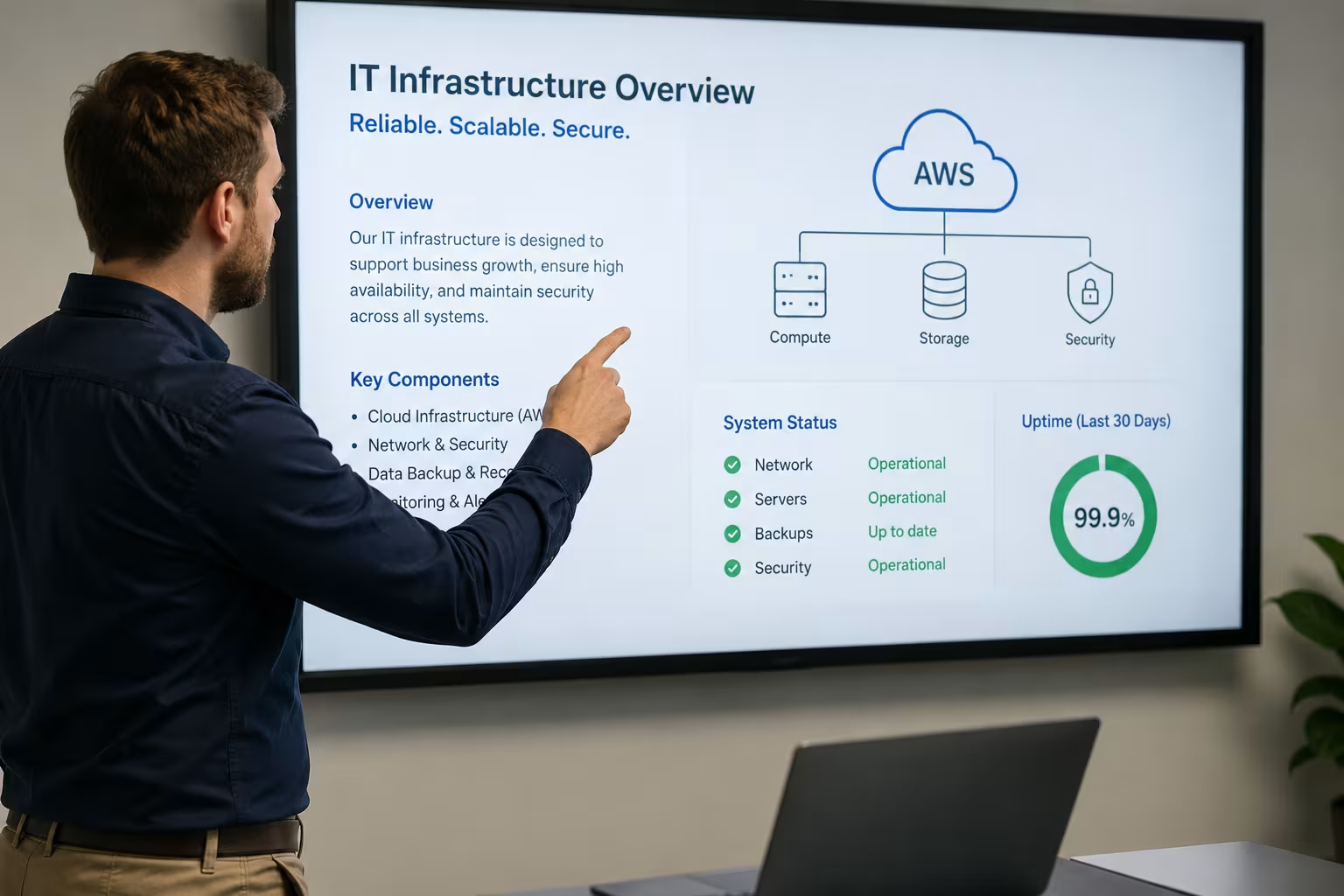
Once you’ve chosen an IT consultant, it’s important to follow through on their advice. Start by making sure everyone on your team understands the plan and their role in the process. Clear communication helps avoid confusion and keeps the project on track.
Set realistic timelines and milestones for each phase of the project. Regular check-ins with your IT consultant ensure that any problems are caught early and fixed quickly. Don’t forget to document changes and update your internal policies as needed. This makes it easier to maintain your systems and train new staff in the future.
To get the most from your IT consultant, follow these best practices:
Following these steps helps ensure your project runs smoothly and delivers the results you want.
Are you a business with 50 or more users looking for expert IT support? If your company is growing and you need reliable systems, our team at Red Team IT is ready to help. We understand the unique needs of businesses with 5-150 employees and can tailor our services to fit your goals.
We know that finding the right IT consultant can be challenging. That’s why we offer practical advice, hands-on support, and proven solutions. Contact us today to learn how we can help your business succeed.
When hiring an IT consultant, focus on their background and ability to consult on your specific needs. Ask about their experience with technology projects similar to yours. Make sure they understand your industry and can communicate clearly.
It’s also important to check for certifications and references. A good IT consulting company will be happy to share examples of past work and explain how they can help your business grow.
Different types of IT consultants specialize in areas like cybersecurity, cloud computing, or network management. Think about your main challenges and match them to the consultant’s expertise. For example, if you need help with information technology security, look for someone with experience in that area.
Ask each consultant about their project management style and how they approach problem-solving. This helps you find the best fit for your business.
Look for IT consultants with recognized qualifications, such as CompTIA, Cisco, or Microsoft certifications. These show they have a solid understanding of technology and current best practices. Education in information technology or computer science is also helpful.
Don’t forget to ask about work experience. Someone who has handled similar projects will be better equipped to advise you and implement solutions that work.
Work experience gives IT consultants real-world knowledge that can’t be learned from books alone. Someone with years of experience can spot problems quickly and suggest practical solutions. This is especially important for businesses with complex systems.
Experienced consultants can also advise on project management and help you avoid common mistakes. Their insights can save you time and money in the long run.
An MSP (Managed Service Provider) is a type of IT consulting company that offers ongoing support for your technology needs. Instead of just consulting on a single project, an MSP handles everything from system monitoring to security updates.
This is a good option if you want to implement reliable systems without hiring a full-time IT team. MSPs can also help you stay compliant with industry regulations.
To become an IT consultant, start by earning a degree in information technology or a related field. Get hands-on experience through internships or entry-level jobs. Certifications like CompTIA or Microsoft can boost your credibility.
As you gain experience, build a portfolio of successful projects. Good communication skills and a willingness to keep learning are also important if you want to advise clients and grow your consulting career.
%2520(1).png)
.svg)