COO
Understanding how much a virtual CIO costs—and what you get in return—can help you make smarter IT decisions. Whether you're a growing company or a small business looking to scale, this article breaks down what you should expect to pay, what services are included, and how to know if it's the right fit for your business. We'll also explore how VCIOs support cybersecurity, strategic planning, and digital transformation without the need for a full-time, in-house CIO.
[.c-button-wrap-1][.c-button-main-1][.c-button-icon-content]Contact Us[.c-button-icon-content][.c-button-main-1][.c-button-wrap-1]
Hiring a virtual CIO (vCIO) is often more affordable than bringing on a full-time Chief Information Officer. The virtual CIO cost typically ranges from a few thousand dollars per month to hourly rates, depending on the size of your organization and the complexity of your IT needs. This makes it a cost-effective option for small to mid-sized businesses that need strategic IT leadership without the overhead.
Most vCIO services are offered on a retainer. Some providers also offer hourly consulting. The cost will vary based on the level of involvement—whether the vCIO is helping with long-term strategic planning or providing short-term oversight during a digital transformation. Either way, you get access to high-level IT expertise at a fraction of the cost of hiring a full-time executive.

There are several ways a virtual CIO can bring value to your business. Below are key areas where a vCIO can make a measurable impact.
A vCIO works closely with leadership to ensure your IT systems support your business objectives. This includes planning for growth, improving efficiency, and reducing risk.
A virtual CIO helps assess your current cybersecurity posture and recommends improvements. This can include policies, tools, and training to protect your data and systems.
By reviewing your current technology stack, a vCIO can identify areas where you're overspending or using outdated tools. This helps you reinvest in more effective solutions.
If your industry requires compliance with regulations like HIPAA or PCI-DSS, a vCIO ensures your IT systems meet those standards. This reduces the risk of fines or legal issues.
A vCIO can evaluate IT service providers and negotiate better contracts. This ensures you're getting the right services at the right price.
Disaster recovery and backup planning are often overlooked. A vCIO ensures your business can keep running even during outages or cyberattacks.
A vCIO helps you adopt new technologies that improve efficiency and customer experience. This includes cloud migration, automation, and remote work tools.
Here are some of the top reasons businesses choose to hire a virtual CIO:
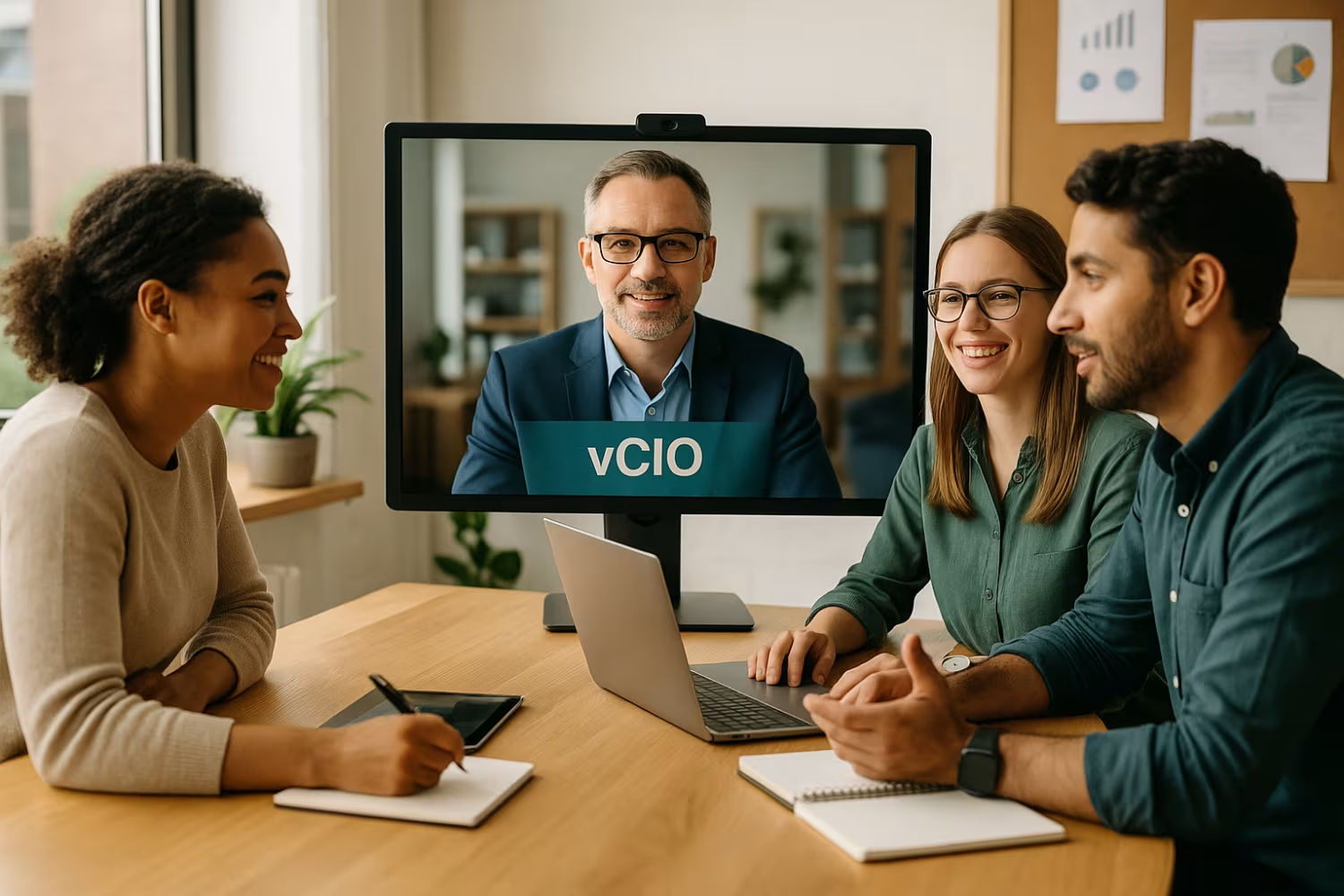
The virtual CIO cost often depends on how large your business is and how complex your IT environment has become. For example, a company with 50+ users may need more frequent strategic oversight than a 10-person team. Larger businesses may also require more advanced cybersecurity planning, vendor management, and compliance support.
Smaller companies can still benefit from vCIO services but may only need them on a quarterly or project basis. In both cases, the flexibility of a virtual CIO makes it easier to scale up or down based on your business needs.
Choosing the right virtual CIO is about more than just cost. Here are some key traits and qualifications to consider.
Look for someone with a track record of helping businesses like yours. They should understand your industry and the challenges you face.
A good vCIO can explain complex IT topics in simple terms. They should be able to communicate clearly with both technical and non-technical staff.
You want someone who can see the big picture and align IT with your long-term goals. This includes planning for growth, risk, and innovation.
A vCIO should know how to evaluate and manage third-party vendors. This ensures you get the best value and performance.
Make sure the vCIO can work within your preferred schedule—whether that’s monthly check-ins or more frequent involvement.
If your business is subject to regulations, your vCIO should understand how to keep your systems compliant.
The vCIO should be comfortable with the platforms and tools you already use—or recommend better alternatives if needed.

Once you decide to hire a virtual CIO, the next step is to define their role and responsibilities. Start by identifying your top business challenges and goals. Then, work with the vCIO to create a roadmap that includes timelines, milestones, and success metrics.
You’ll also want to decide how often you’ll meet and what kind of reporting you expect. Some businesses prefer monthly strategy sessions, while others need weekly updates. Either way, clear communication is key to getting the most value from your investment.
To get the most out of your vCIO partnership, keep these best practices in mind:
Following these steps helps ensure your vCIO delivers long-term value.

Are you a business with 50 or more users looking for strategic IT leadership without the full-time cost? Our virtual CIO services are designed for growing companies that need expert guidance to support their next stage of growth.
We help you align technology with business strategy, improve cybersecurity, and reduce unnecessary IT spending. If you're ready to explore how a virtual CIO can support your goals, contact us today to get started.
[.c-button-wrap-1][.c-button-main-1][.c-button-icon-content]Contact Us[.c-button-icon-content][.c-button-main-1][.c-button-wrap-1]
A virtual CIO helps small businesses plan and manage their IT strategy without needing a full-time executive. They provide strategic oversight, guide digital transformation, and ensure your systems align with your business goals.
They also assist with vendor management, compliance, and cybersecurity. Many small businesses use vCIO services on a retainer or project basis, making it a cost-effective way to get high-level expertise.
Hiring a full-time Chief Information Officer can cost well into six figures annually. In contrast, the virtual CIO cost is often a fraction of that. You can choose hourly, monthly, or project-based pricing depending on your needs.
This makes it easier to scale IT leadership as your business grows. It also allows you to outsource strategic technology planning without the commitment of a full-time hire.
Yes, cybersecurity is one of the main areas where a vCIO can help. They assess your current risks, recommend tools and policies, and help train your team.
They also work with managed IT service providers to implement solutions that reduce threats. This ensures your business continuity and protects sensitive data.
Hiring a vCIO consultant gives you access to executive-level IT strategy without the cost of a full-time CIO. They help align your IT systems with your business objectives and long-term goals.
They also bring experience from working with multiple industries and service providers. This helps you avoid common mistakes and adopt best practices faster.
If your business is growing and your IT systems are becoming harder to manage, you likely need one. A vCIO helps you plan for the future and avoid costly mistakes.
They also provide strategic planning and oversight, especially if you don't have in-house IT leadership. This is especially useful for businesses with 50+ users or complex compliance needs.
The right vCIO will have experience in your industry, strong communication skills, and a clear understanding of your business needs. They should also be able to work within your budget and schedule.
Look for someone who can offer a flexible retainer or hourly model. This ensures you get the support you need without overcommitting resources.
%2520(1).png)
.svg)