COO
Every business in our region faces risks, from unexpected outages to cyber threats. Having a business continuity plan is not just smart—it's essential. In this article, you'll learn the basics of business continuity planning in Dallas, the top mistakes local companies make, and the practical steps you can take to protect your operations. We'll also cover key benefits, implementation tips, and how to safeguard your infrastructure against disaster.
Business continuity planning in Dallas is about preparing your company to keep running, no matter what happens. Whether it's a power outage, cyberattack, or natural disaster, the goal is to minimize downtime and loss. A solid plan helps you recover quickly and ensures your team knows what to do when things go wrong.
For Dallas businesses, this means looking at every part of your operation. You need to think about your data, your people, and your technology. Planning helps you avoid confusion and costly mistakes when a real emergency strikes.

Even with the best intentions, many companies fall into common traps. Here are the most frequent mistakes and how you can avoid them.
A business continuity plan is not a one-time task. If you set it and forget it, it quickly becomes outdated. Changes in staff, technology, or business processes can leave you exposed. Review your plan at least once a year to ensure it still fits your needs.
Your plan is only as good as the people who use it. If your team doesn't know what to do during a disaster, recovery will be slow. Regular training helps everyone understand their roles and keeps your operation running smoothly.
Backing up data is important, but testing those backups is just as critical. If you never check your backups, you might find out too late that they don't work. Schedule routine tests to make sure your data can be restored quickly.
Not all parts of your business are equally important. Identify which functions must be restored first after a disaster. This helps you focus resources where they matter most and speeds up your overall recovery.
Putting all your eggs in one basket is risky. Use multiple backup and disaster recovery methods—like cloud and local backups—to ensure you have options if one fails.
IT teams play a big role in disaster recovery. If you leave them out of planning, you might miss technical risks or solutions. Involve your IT experts from the start for a more comprehensive approach.
A strong business continuity plan brings many advantages:
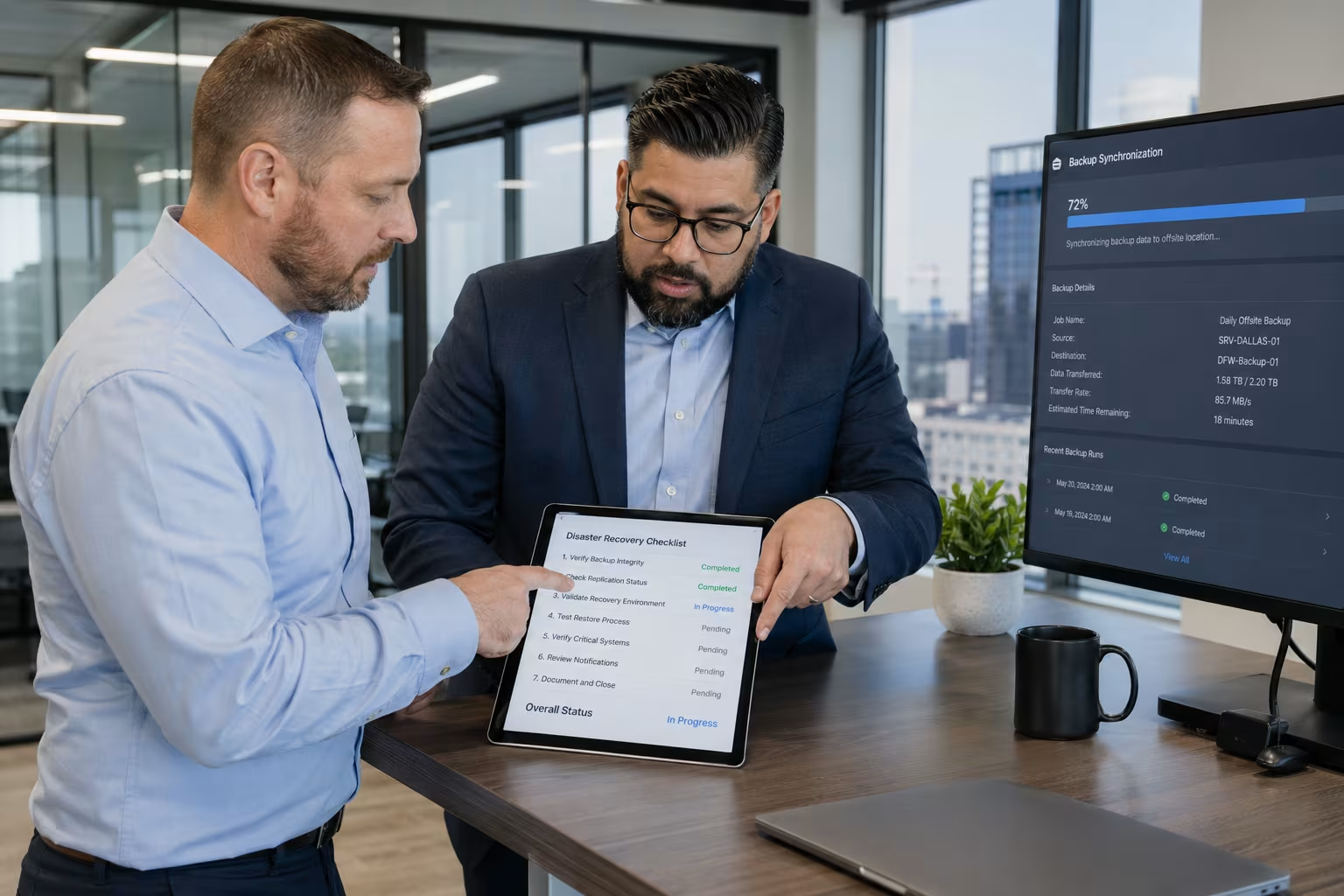
Dallas businesses face unique risks, from severe weather to cyber threats. Reliable services in Dallas help you prepare for these challenges. Working with local experts means you get support tailored to your specific needs and regulations.
A good provider understands the local business environment and can help you build a plan that covers everything from data backup to physical security. This local knowledge is key to making sure your plan works when you need it most.
Building a strong plan takes more than just paperwork. Here are the steps you should follow for effective business continuity planning services.
Start by identifying the risks your business faces. This includes natural disasters, cyber threats, and even supply chain disruptions. Knowing your risks helps you focus your planning efforts.
Decide which parts of your business must keep running, no matter what. These are your top priorities during a disaster. Make sure your plan covers how to restore these functions first.
Create clear steps for how your team should respond to different types of disasters. This includes who does what, how to communicate, and what resources are needed.
Reliable data backup is a must. Choose solutions that fit your business size and needs, and make sure backups happen regularly. Test your backups to ensure they work when needed.
Everyone should know their role in an emergency. Hold regular training sessions and drills, so your team is ready to act quickly and correctly.
Your business changes over time, and so should your plan. Review it at least once a year, or after any major change in your business or technology.

Putting your plan into action takes careful thought. Start by assigning clear roles and responsibilities to your team. Make sure everyone knows who to contact and what to do during an emergency.
Work with trusted cybersecurity companies in Dallas to secure your data and systems. They can help you set up reliable backup solutions and test your recovery processes. Regular reviews and updates keep your plan current and effective.
To get the most from your plan, follow these best practices:
Following these steps helps you stay prepared and recover faster.

Are you a business with 50 or more users, or a growing company looking to protect your operations? Our team specializes in helping businesses with 5-150 employees set up reliable systems that keep you running, even during a crisis. We know what it takes to build a plan that fits your size and needs.
We understand the challenges you face and offer tailored solutions for business continuity planning in Dallas. If you want to safeguard your business and ensure fast recovery, contact us today to see how we can help.
The most important part is identifying your critical business functions. This helps you focus on what must be restored first after a disaster. Without this step, your recovery efforts may be scattered and less effective.
A comprehensive plan also includes clear instructions for your team and regular updates. This ensures everyone knows their role and your plan stays current as your business grows.
Dallas businesses should review and update their disaster recovery plans at least once a year. Major changes in staff, technology, or business operations are also good times to update your plan.
Regular updates help ensure your plan remains effective and can protect your business from new risks. Staying current is key to a successful recovery.
Data backup is essential because it safeguards your important information. Without reliable backups, you risk losing data that is critical to your business.
Regular backups and testing make sure your data can be restored quickly after a disaster. This helps minimize downtime and loss.
Services in Dallas that help with business continuity planning include IT consulting, cybersecurity, and data recovery providers. These experts can assess your needs and build a plan that fits your business.
Working with local providers ensures your plan meets regional requirements and addresses the specific risks Dallas businesses face.
To ensure your infrastructure is protected, start by identifying weak points in your systems. Invest in reliable backup power, secure data storage, and strong cybersecurity measures.
Regular testing and updates help keep your infrastructure ready for any disaster. Involving your IT team in planning makes your protection more comprehensive.
Using business continuity planning services gives you access to expert advice and proven strategies. These services help you build a plan that covers all aspects of your business.
They also provide ongoing support, training, and updates, making it easier to safeguard your operations and recover quickly from any event.
%2520(1).png)
.svg)