COO
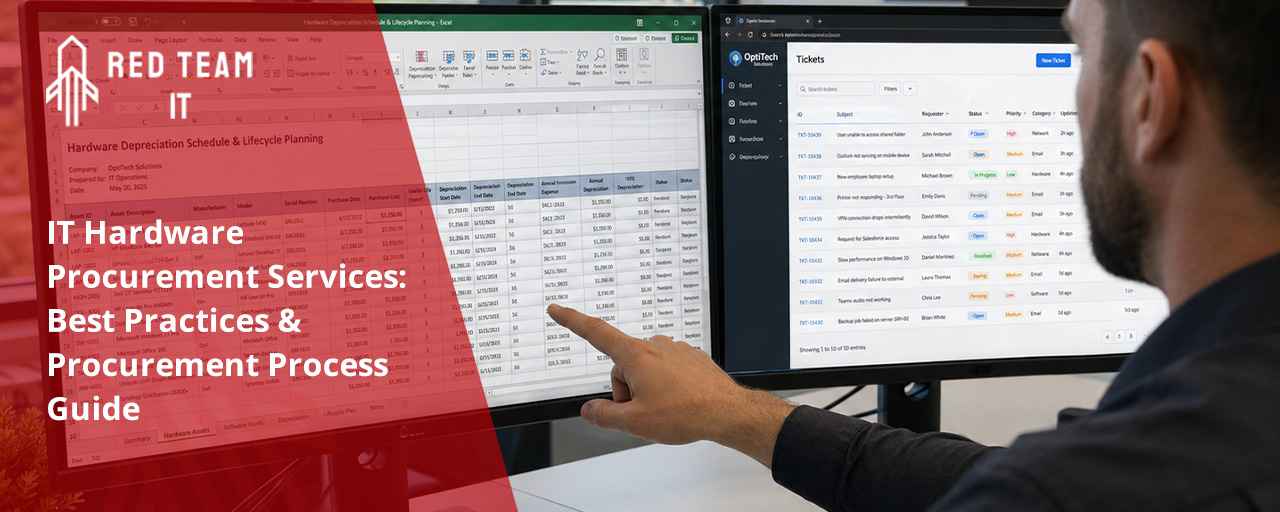
Getting the right IT hardware for your business is more than just buying computers and servers. With so many options and suppliers, making the best choice can be tough. This blog will help you understand IT hardware procurement services, how a business procurement consultant can help, and what steps you should follow for a smooth procurement process. You’ll also learn about vendor relationships, managed services, and how to build a strong procurement strategy for your team and budget.
IT hardware procurement services help businesses get the technology they need to run smoothly. These services cover everything from finding the right laptops and desktops to making sure servers and other equipment fit your business needs. A good procurement team looks at your goals, budget, and growth plans before recommending the best hardware.
Working with a services provider can save you time and money. They know which suppliers offer reliable systems and can help you avoid common mistakes. By using a business procurement consultant, you can focus on your business while experts handle the details of sourcing and managing your IT hardware.

Getting IT hardware procurement right can save your business a lot of trouble. Here are some common mistakes to watch out for and how to avoid them.
Not having a step-by-step plan can lead to confusion and wasted money. Make sure your procurement process includes setting clear goals, comparing options, and tracking every purchase.
Looking only at the upfront price is risky. Consider costs like maintenance, support, and upgrades. This helps you avoid surprises and manage your budget better.
If you don’t keep track of your equipment, you might buy things you don’t need or miss out on warranty coverage. Use asset management tools to monitor all your IT hardware.
Buying too much or too little hardware can slow down your team. Work with your procurement team to forecast what you’ll need as your business grows.
Manual tracking and ordering can lead to errors. Automate routine tasks to save time and reduce mistakes.
Managed services can handle repairs, updates, and support. This lets your team focus on more important work.
Regularly check your suppliers for reliability and fair pricing. Auditing helps you spot problems early and keep vendor relationships strong.
Using IT hardware procurement services brings several advantages:
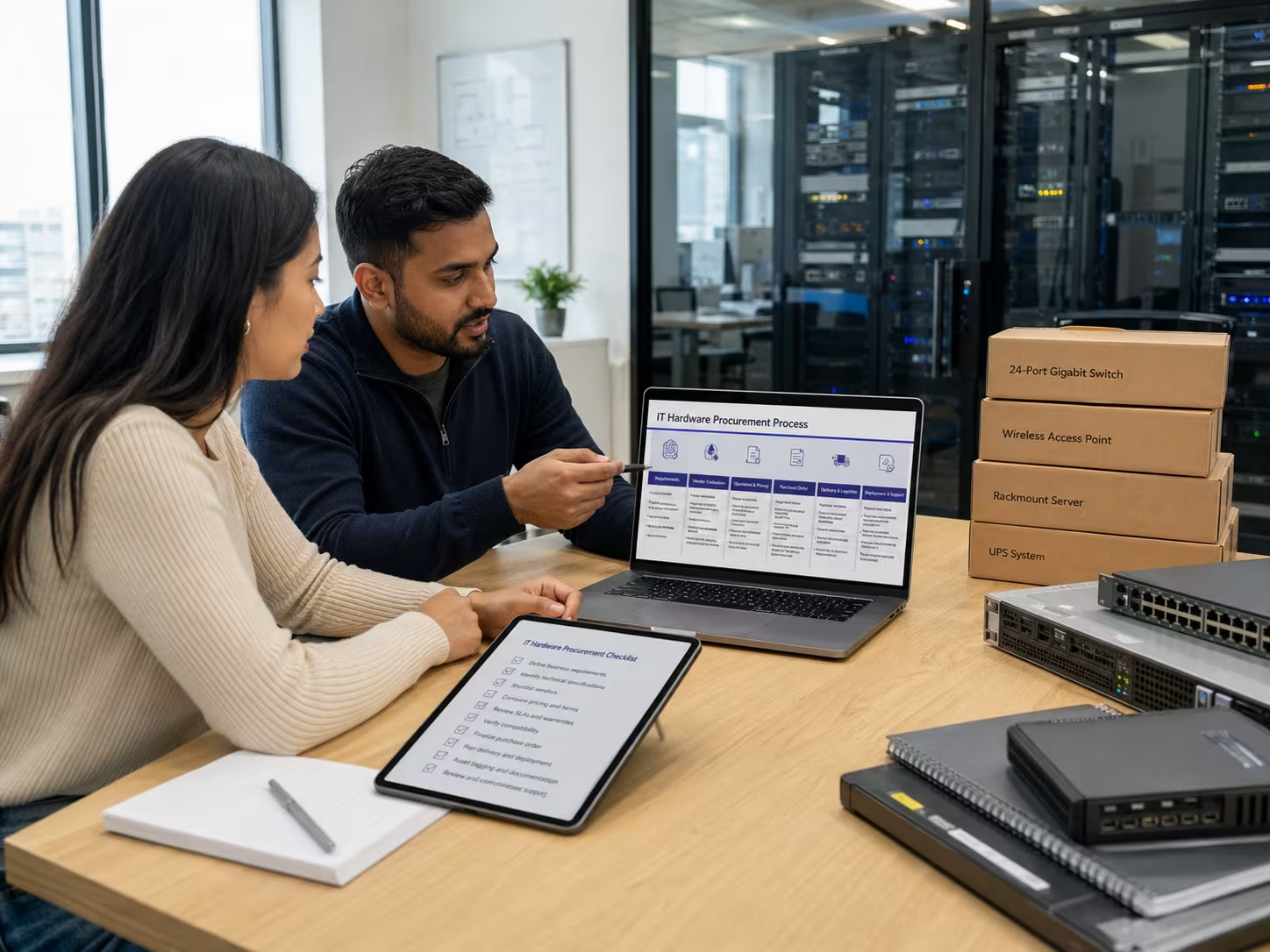
Good vendor relationships are key to successful hardware procurement. When you work closely with suppliers, you can get better prices, faster service, and more reliable systems. Building trust with your vendors means they’ll be more likely to help you solve problems quickly.
A smart sourcing strategy looks at more than just price. It considers things like delivery times, warranty support, and the supplier’s reputation. By working with a business procurement consultant, you can develop a sourcing plan that fits your unique needs and helps you avoid common pitfalls.
Managing IT hardware is about more than just buying new equipment. Here’s how to handle the full lifecycle of your technology, from start to finish.
Start by reviewing what you already have. This helps you spot gaps and avoid buying unnecessary equipment.
Create a schedule for replacing old laptops, desktops, and servers. Planning keeps your systems running smoothly.
Work with your procurement team to choose hardware that fits your goals and budget. Make sure to compare options and check supplier reviews.
Set up new equipment properly to avoid issues later. This includes installing software and connecting devices to your network.
Regular maintenance and support keep your hardware working longer. Use managed services if you need extra help.
Keep records of all your equipment. Auditing helps you spot issues and plan for future needs.
Safely dispose of outdated equipment. Follow local rules for recycling and data security.

Putting a good IT hardware procurement plan into action takes teamwork and attention to detail. Start by setting clear goals for your procurement team. Decide what hardware you need, how much you can spend, and when you need it. Involve key staff in the planning process so you don’t miss important details.
Next, choose a services provider or business procurement consultant who understands your industry. They can help you create a procurement process that fits your business and keeps you ahead of technology changes. Regularly review your strategy to make sure it still meets your needs as your business grows.
Follow these best practices to get the most from your IT hardware procurement services:
These steps help you avoid problems and make sure your business gets the best value from every purchase.
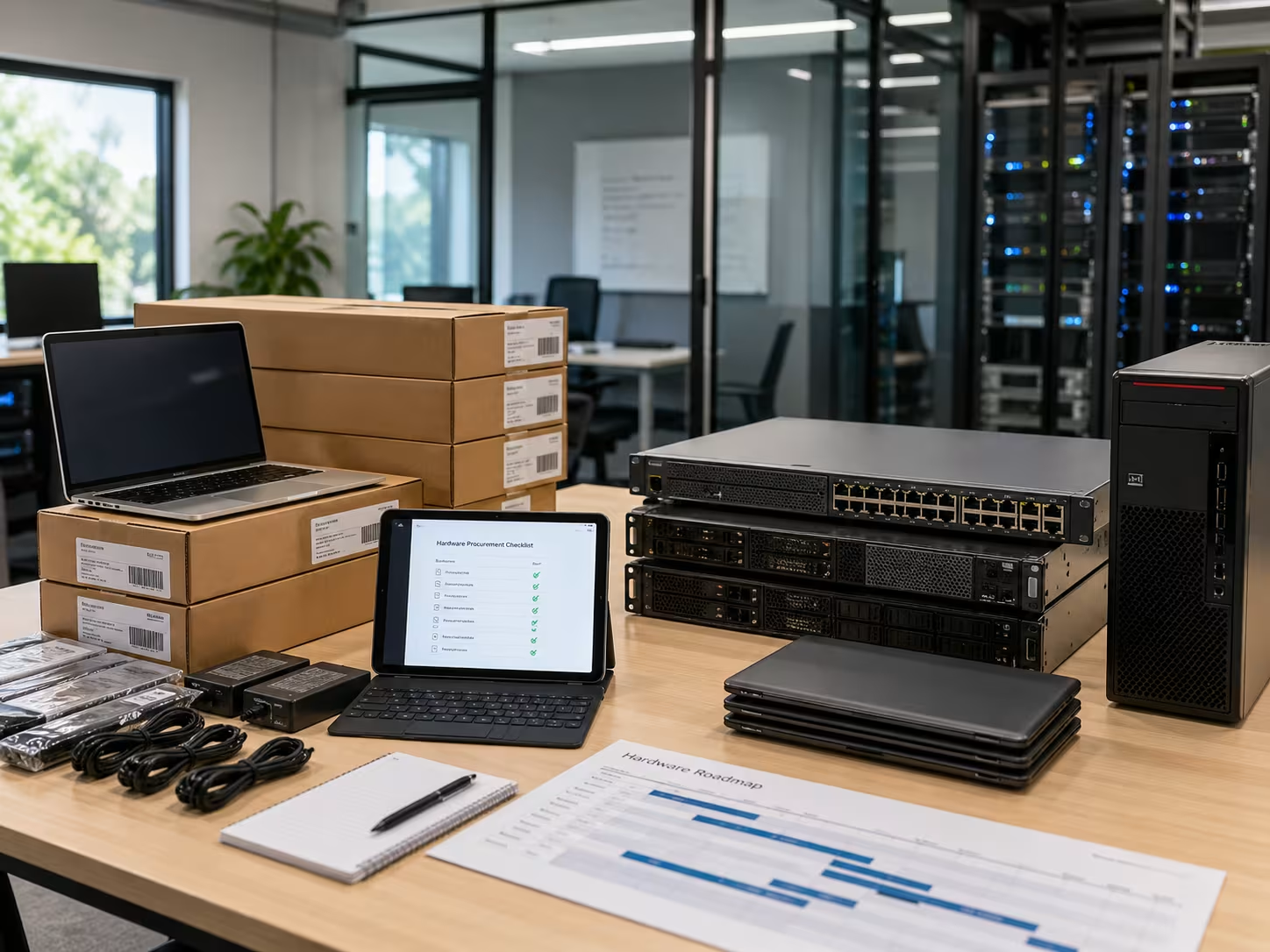
Are you a growing business with 50 or more users looking for reliable IT hardware procurement services? If you’re ready to streamline your procurement process and get the best value for your budget, our team can help you build a strategy that fits your business needs.
We understand the challenges of sourcing, managing, and maintaining IT hardware. As your trusted business procurement consultant, Red Team IT will guide you every step of the way. Contact us today to see how we can support your technology goals.
Procurement is the overall process of getting goods and services for your business, while hardware procurement focuses only on buying physical technology like laptops, desktops, and servers. Your procurement team should understand both to make sure you get the right equipment for your needs.
When you work with a business procurement consultant, they can help you set up a process that covers everything from finding suppliers to tracking purchases. This makes it easier to manage your budget and avoid mistakes.
Procurement services help you compare different vendors and choose the one that fits your business needs. They look at things like price, support, and delivery times to make sure you get the best deal.
A good procurement strategy includes building strong vendor relationships. This helps you get better service and more reliable systems in the long run.
A structured procurement process keeps your hardware purchases organized and helps you avoid overspending. It also makes it easier to track what you’ve bought and when you need to replace equipment.
Working with a services provider can help you set up a process that fits your business. They can guide you through each step, from sourcing to delivery.
Managed services handle tasks like setup, maintenance, and support for your IT hardware. This lets your team focus on other important work while experts manage your technology.
By using managed services, you can keep your systems running smoothly and avoid downtime. This is especially helpful for growing businesses with limited IT staff.
Asset management helps you keep track of all your IT equipment. This makes it easier to plan for upgrades and avoid buying things you don’t need.
A good asset management system also helps you stay on top of warranties and support contracts. This can save you money and reduce the risk of unexpected problems.
Look for a services provider with experience in your industry and a strong track record. They should offer clear pricing, reliable systems, and good support.
Ask about their approach to vendor relationships and how they handle sourcing and procurement strategy. This will help you find a partner who can support your business as it grows.
%2520(1).png)
.svg)