COO
Businesses depend on reliable IT network services to keep operations running smoothly and securely. In this blog, you’ll learn what IT network services are, the most common types, and how they benefit your organization. We’ll also cover how to choose between in-house and outsourced options, highlight key features, and share practical tips for optimizing your network infrastructure. Expect actionable advice on network support, troubleshooting, and cybersecurity to help you avoid downtime and keep your systems secure.
IT network services are the foundation of your business’s digital operations. These services include everything from setting up your computer network to ongoing network management and support. Whether you run a small office or a growing company, having a reliable network service provider is essential for maintaining strong connectivity and protecting your data.
A well-designed network infrastructure ensures that your team can access files, applications, and the internet without interruption. It also helps prevent downtime, supports wireless connections, and keeps your business safe from cyber threats. By investing in professional IT network services, you can optimize network performance and focus on your core business goals.

Choosing the right IT network services can make or break your business’s productivity and security. Here are some key strategies to help you avoid common pitfalls and get the most from your network support.
Start by reviewing your existing network infrastructure. Identify areas where performance is lacking or where additional network support might be needed. This helps you prioritize upgrades and avoid overspending on unnecessary features.
Not all network service providers offer the same level of expertise. Look for a company with experience in your industry and a track record of reliable service. Ask about their response times and support options before making a decision.
Your business will likely grow, so your IT network services should be able to scale with you. Make sure your provider can add new users, devices, or locations without causing disruptions.
Protecting your data is critical. Ensure your network includes strong firewall protection, regular software updates, and ongoing monitoring to detect and stop cyber threats.
Regularly check your network’s speed, uptime, and reliability. This helps you spot issues before they become major problems and keeps your team productive.
Educate your employees on basic cybersecurity practices and how to report network issues. A well-informed team can help prevent security breaches and reduce troubleshooting time.
Keep clear records of your network setup, passwords, and support contacts. This makes it easier to resolve issues quickly and ensures smooth transitions if you switch providers or staff.
Professional IT network services offer several important advantages:

There are many types of network services available, each designed to meet different business needs. Some companies choose in-house solutions, while others outsource to a managed IT network services provider. The right choice depends on your budget, technical expertise, and security requirements.
In-house IT teams give you direct control over your network, but they can be costly and require ongoing training. Outsourcing to a network services company provides access to experienced professionals and advanced tools, often at a lower cost. Managed IT network services can handle everything from server maintenance to wireless setup, freeing up your staff to focus on business priorities.
A strong IT network is more than just cables and servers. Here are the essential components that drive business growth and efficiency.
Stable internet and internal connections are the backbone of daily operations. Reliable connectivity ensures your team can access resources without delays or interruptions.
A properly configured firewall keeps out unauthorized users and blocks cyber attacks. This is a must-have for any business handling sensitive information.
Wireless networks allow employees to work from anywhere in the office. Properly managed wireless access points improve flexibility and productivity.
Servers store your business data and run critical applications. Regular server maintenance and updates prevent data loss and keep systems running smoothly.
Continuous monitoring helps detect issues before they cause downtime. These tools alert your IT team to unusual activity or performance drops.
Having clear troubleshooting steps in place helps resolve problems quickly. This reduces downtime and minimizes the impact on your business.
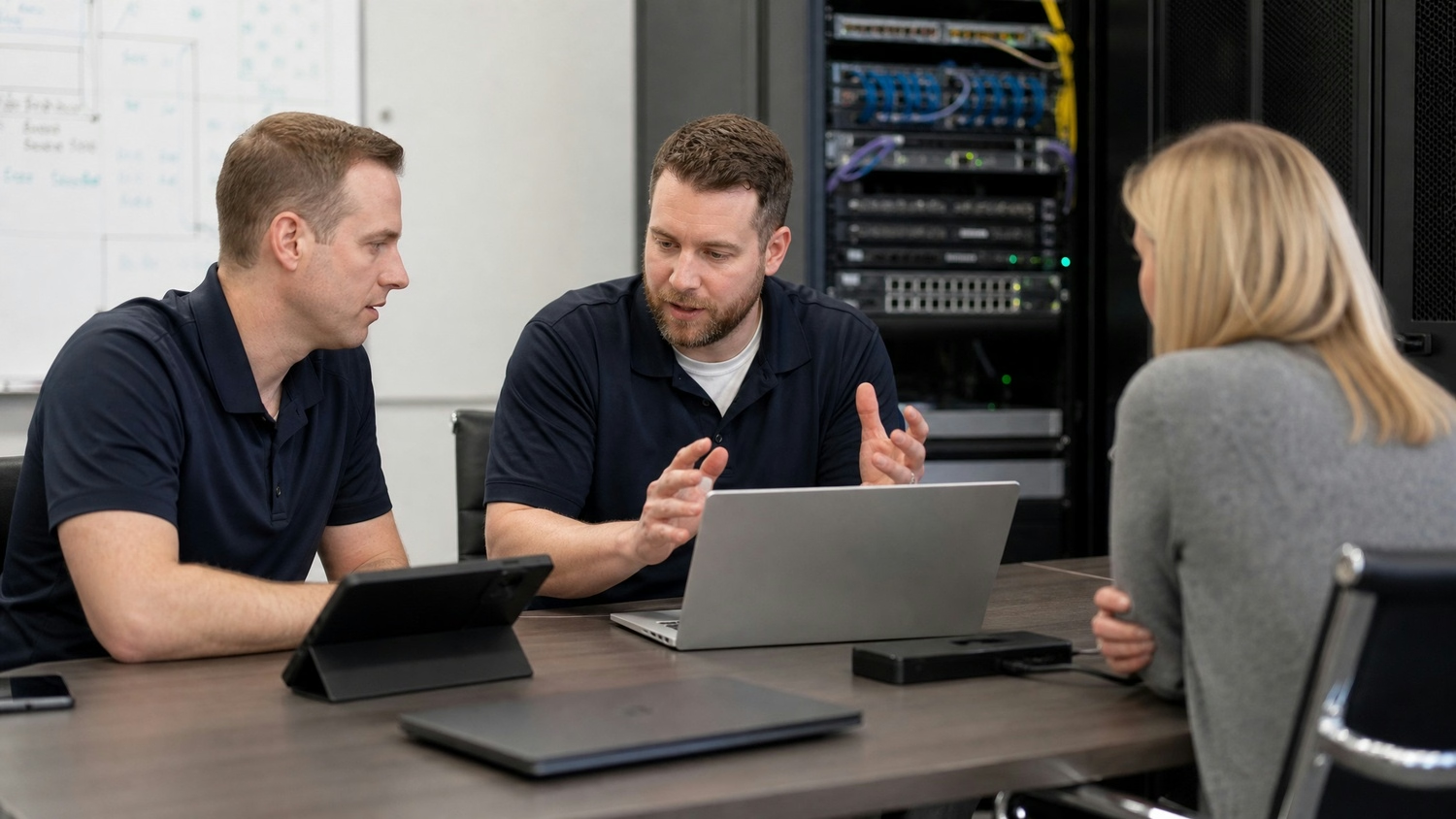
Setting up or upgrading your computer network requires careful planning and execution. Start by mapping out your current network infrastructure, including all devices, servers, and wireless access points. Identify any gaps or outdated equipment that could affect performance or security.
Next, work with your IT team or a trusted service provider to design a network that meets your current and future needs. Consider factors like scalability, cybersecurity, and remote access. Test your new setup thoroughly before going live, and make sure staff know how to report issues or request support. Regular reviews and updates will keep your network running at its best.
Managed network solutions can simplify IT for growing businesses. Here are some best practices to get the most value from your provider:
Following these practices helps you avoid surprises and ensures your network stays secure and efficient.

Are you a business with 5-150 employees, especially if you have 50 or more users and need reliable IT network services? Growing companies often struggle to keep up with network demands, security requirements, and the need for fast support. We understand the unique challenges that come with scaling your network and keeping your team connected.
Our team at Red Team IT specializes in managed IT network services for businesses like yours. We offer everything from network design and implementation to ongoing support and cybersecurity. Contact us today to see how we can help you optimize your network and support your business growth.
A typical network service package covers network infrastructure setup, ongoing network management, and troubleshooting support. You’ll also get help with server configuration, firewall setup, and wireless connectivity to ensure your business runs smoothly.
Most providers include regular performance monitoring and quick response to downtime issues. This helps keep your network secure and minimizes disruptions to your daily operations.
Different types of network services, such as managed IT network services and cloud-based solutions, offer flexibility and scalability. These services help optimize network performance and reduce the risk of cyber threats.
By choosing the right mix of services, you can improve connectivity, support remote work, and ensure your network is always up to date. This is especially important for businesses with growing teams and complex needs.
The main benefits of IT networking for larger teams include improved network performance, better cybersecurity, and easier network support. A well-managed network reduces downtime and keeps your data safe.
With professional IT network services, you also gain access to expert troubleshooting and proactive monitoring. This helps your business stay productive and secure as you grow.
A reliable computer network ensures seamless connectivity between devices, servers, and the internet. This supports collaboration and allows your team to access resources quickly.
If your network infrastructure is outdated or poorly managed, you may experience slowdowns or downtime. Investing in regular network management and support helps prevent these issues.
A services company or network services company brings specialized expertise and access to advanced tools. This can be more cost-effective than hiring and training an in-house IT team, especially for businesses with 50+ users.
Outsourcing network management allows you to focus on your core business while experts handle cybersecurity, server maintenance, and troubleshooting. It’s a practical way to ensure reliable network performance.
Managed network and cloud-based networking solutions offer flexibility and scalability for expanding companies. These options allow you to add users, devices, or locations without major disruptions.
They also provide continuous monitoring, automatic updates, and strong cybersecurity features. This helps optimize your network and reduces the risk of downtime or data breaches.
%2520(1).png)
.svg)