COO

Legal professionals know that reliable IT services for legal are critical to running a successful practice. In this blog, you'll learn how managed IT services for law firms help protect sensitive client data, improve uptime, and support compliance. We'll cover essential features, common mistakes, and practical steps for choosing the right solutions for your legal practice. Topics include cybersecurity, cloud services, document management, and help desk support.
IT services for legal are designed to meet the unique needs of law firms and legal professionals. These services go beyond basic tech support by focusing on compliance, data security, and the specific workflows of the legal industry. With the right IT support, your law firm can reduce downtime, protect sensitive information, and maintain productivity.
Legal practices handle large volumes of confidential data and must follow strict regulations. Managed IT services for legal professionals help you stay compliant and avoid costly mistakes. By using specialized solutions, you can focus on your clients while experts handle your technology needs.

Even the best law firms can run into trouble if their IT isn't managed properly. Here are some important strategies to help you avoid common mistakes and keep your legal practice running smoothly.
Cybersecurity is essential for protecting client data. Without strong security measures, your firm is at risk of data breaches and cyber threats. Make sure your IT provider offers regular security updates and monitoring.
Not all IT providers understand the needs of law firms. Look for support that specializes in legal IT services so you get solutions designed for your unique requirements.
Legal practices must follow strict compliance rules. Your IT services should include tools and processes that help you stay compliant with industry regulations.
Using outdated technology can slow your firm down. Modern law solutions, such as cloud-based document management and secure communication tools, boost productivity and efficiency.
Choose IT partners who are trusted by leading law firms. This shows they have experience with the challenges law firms face and can offer proven solutions.
If your firm has more than one office, make sure your IT services can support multiple locations. This ensures consistent service and secure access to data from anywhere.
Managed IT services for law firms provide ongoing support, monitoring, and maintenance. This proactive approach helps prevent downtime and keeps your systems running smoothly.
Specialized IT services for legal offer several important benefits:

Compliance is a top concern for any legal practice. Law firms must follow rules that protect client confidentiality and ensure ethical conduct. IT services for legal include features that help you stay compliant, such as secure email, encrypted storage, and detailed audit trails.
By working with an IT provider who understands legal compliance, you reduce the risk of violations and penalties. You also build trust with your clients, knowing their information is handled with care. Managed IT services for legal professionals are designed to address these needs, so you can focus on your legal work.
Legal practices need solutions designed specifically for their workflows. Here are some key components to consider when building a secure and productive law practice.
Choosing the right legal software is essential. Look for programs that integrate with your existing systems and support your daily tasks, such as case management and billing.
Productivity tools help your team work more efficiently. Features like shared calendars, secure messaging, and automated reminders keep everyone on track.
Integrating new technology with your current systems can be challenging. Work with IT experts who can ensure a smooth transition and minimal disruption.
As your firm grows, your IT needs will change. Make sure your IT provider can scale services to match your growth, adding more users or locations as needed.
Data security is a top priority for law practices. Use solutions that include encryption, regular backups, and access controls to protect sensitive information.
Cybersecurity services tailored for the legal sector address threats unique to law firms. These services include threat detection, employee training, and incident response planning.
Application support ensures your legal software and tools work as expected. Quick troubleshooting and updates help prevent downtime and keep your team productive.
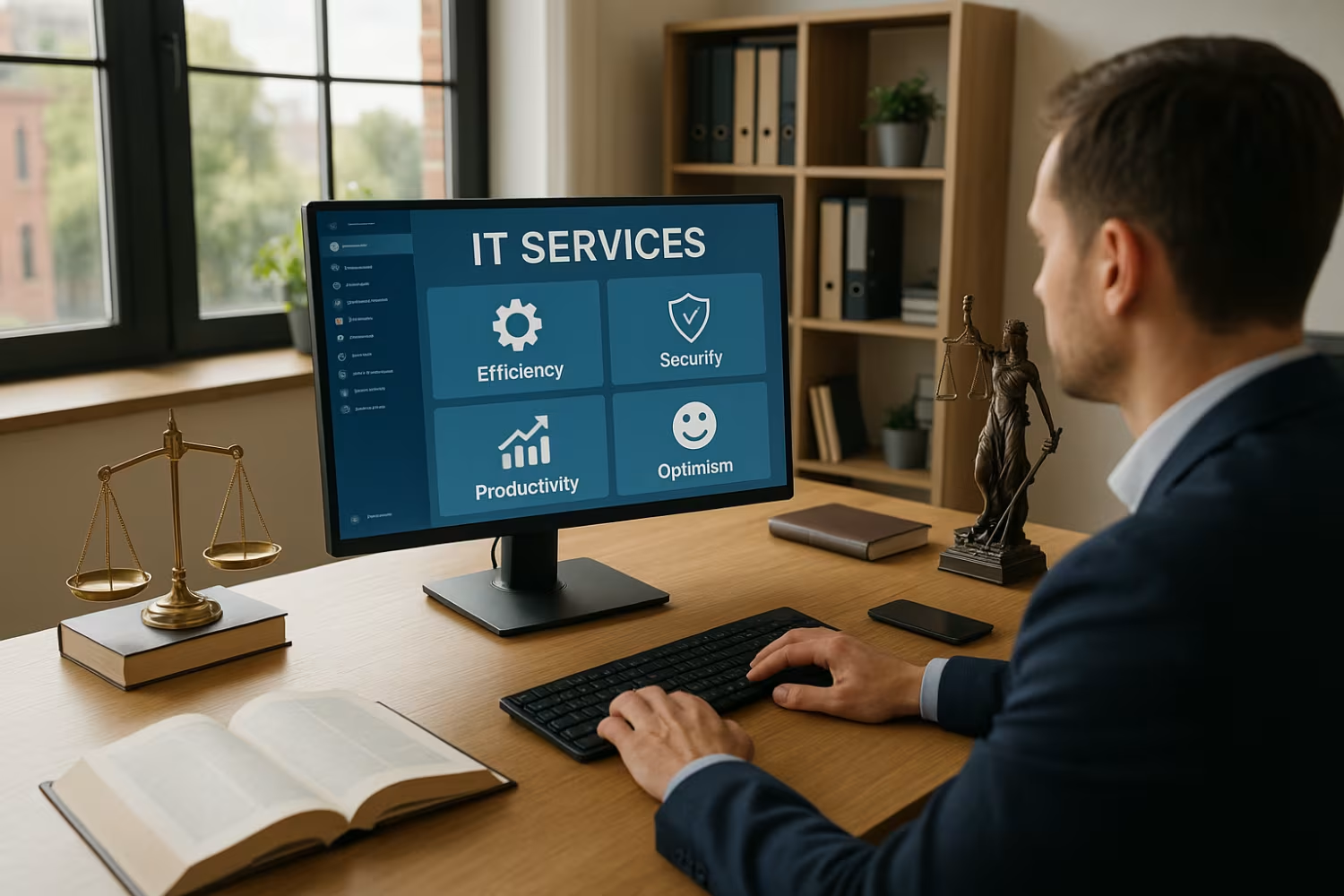
Getting started with IT services for legal requires careful planning. Begin by assessing your current technology and identifying areas for improvement. Consider your firm's size, the types of cases you handle, and any compliance requirements.
Next, choose a provider with experience in the legal industry. Look for managed IT services for legal professionals who offer tailored solutions and ongoing support. Make sure they provide training for your staff and have a clear plan for data migration if needed.
Regularly review your IT setup to ensure it meets your evolving needs. Stay informed about new technology trends and regulations that may impact your legal practice.
To get the most from your IT services for legal, follow these best practices:
Following these steps helps your law firm stay secure, compliant, and efficient.

Are you a law firm with 5-150 employees, especially those with 50 or more users? If you're growing and need reliable IT support that understands the legal industry, we can help. Our team specializes in managed IT services for legal professionals, ensuring your systems are secure, compliant, and always available.
We know the challenges law firms face, from protecting sensitive client data to meeting strict compliance standards. Red Team IT offers solutions designed for legal practices, including cybersecurity, legal software support, and proactive system monitoring. Contact us today to see how we can support your legal practice and help your firm succeed.
For law firms, the most important IT services are those that protect sensitive client data, ensure uptime, and support compliance. Services like secure cloud storage, document management, and a responsive help desk are essential for daily operations.
By choosing IT providers familiar with the legal industry, you get solutions that address your unique needs. This helps your firm stay compliant, productive, and ready to handle new challenges as they arise.
Managed IT services for law firms include regular security updates, threat monitoring, and employee training. These steps help protect your firm from cyber threats and data breaches.
A good IT partner will also offer incident response planning and ongoing support. This means your firm can quickly recover from any cyber issues and keep your legal practice running smoothly.
Compliance ensures your firm follows industry rules and protects client confidentiality. IT services for legal professionals include tools like encrypted email and secure document storage to help you stay compliant.
Staying compliant also builds trust with clients and reduces the risk of costly penalties. Regular compliance checks and updates are key to a successful legal practice.
Look for legal IT support that understands the specific needs of law firms. This includes experience with legal software, knowledge of compliance requirements, and the ability to provide quick help desk support.
A provider who offers proactive monitoring and regular system updates will help prevent downtime and keep your firm productive.
Legal software streamlines case management, billing, and document handling. This saves time and reduces errors, allowing your team to focus on serving clients.
Choosing software that integrates with your existing systems and supports your workflow is essential for maximizing productivity in your law practice.
Managed IT and cybersecurity services offer ongoing support, regular security checks, and fast response to technical issues. This helps law firms avoid downtime and protect sensitive information.
By working with a provider who understands the legal sector, you get solutions designed for your firm's needs. This allows you to focus on your legal work while experts handle your technology.
.svg)
%2520(1).avif)
%2520(1).png)